Introduction to Vaping
Vaping has emerged as a popular alternative to traditional smoking, capturing the interest of both smokers seeking to transition to a less harmful option and non-smokers exploring new experiences. This phenomenon is largely attributed to the widespread perception that vaping poses fewer health risks than smoking combustible tobacco products. The array of flavors and customizable experiences offered by vaping devices contribute to its appeal, drawing a diverse range of users.
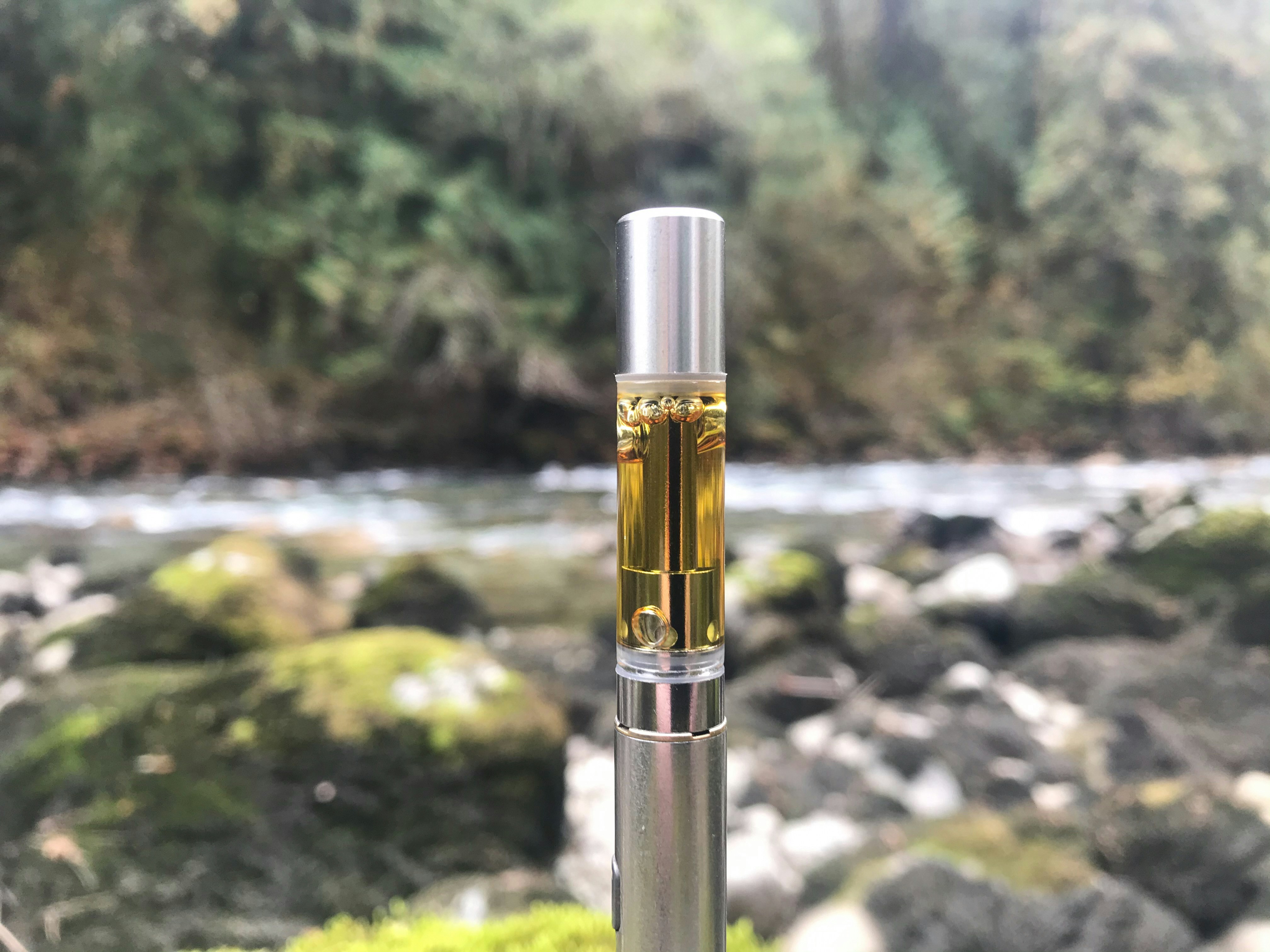
At its core, vaping involves inhaling a vapor produced by heating e-liquids or vape juices, which often contain nicotine, flavoring agents, and other chemicals. With the rapid advancement of technology, the market has seen the emergence of various types of vaping devices, each designed to cater to different preferences and lifestyles. The two predominant categories are disposable vapes and refillable vapes, both of which have distinct features that attract unique user demographics.
Disposable vapes are designed for single-use, offering an uncomplicated option for those new to vaping or those who prefer a hassle-free experience. They come pre-filled with e-liquid and are discarded after use, eliminating the need for refilling or maintenance. On the other hand, refillable vapes provide users with the flexibility to select their e-liquids, allowing for a more tailored vaping experience. These devices typically consist of a tank for storing e-liquid and a replaceable coil, making them more sustainable in the long run.
Understanding the differences between these two types of vaping devices is crucial for individuals looking to engage with vaping responsibly. Each option presents its own set of advantages and drawbacks, influencing the decision-making process for new and seasoned vapers alike.
Understanding Disposable Vapes
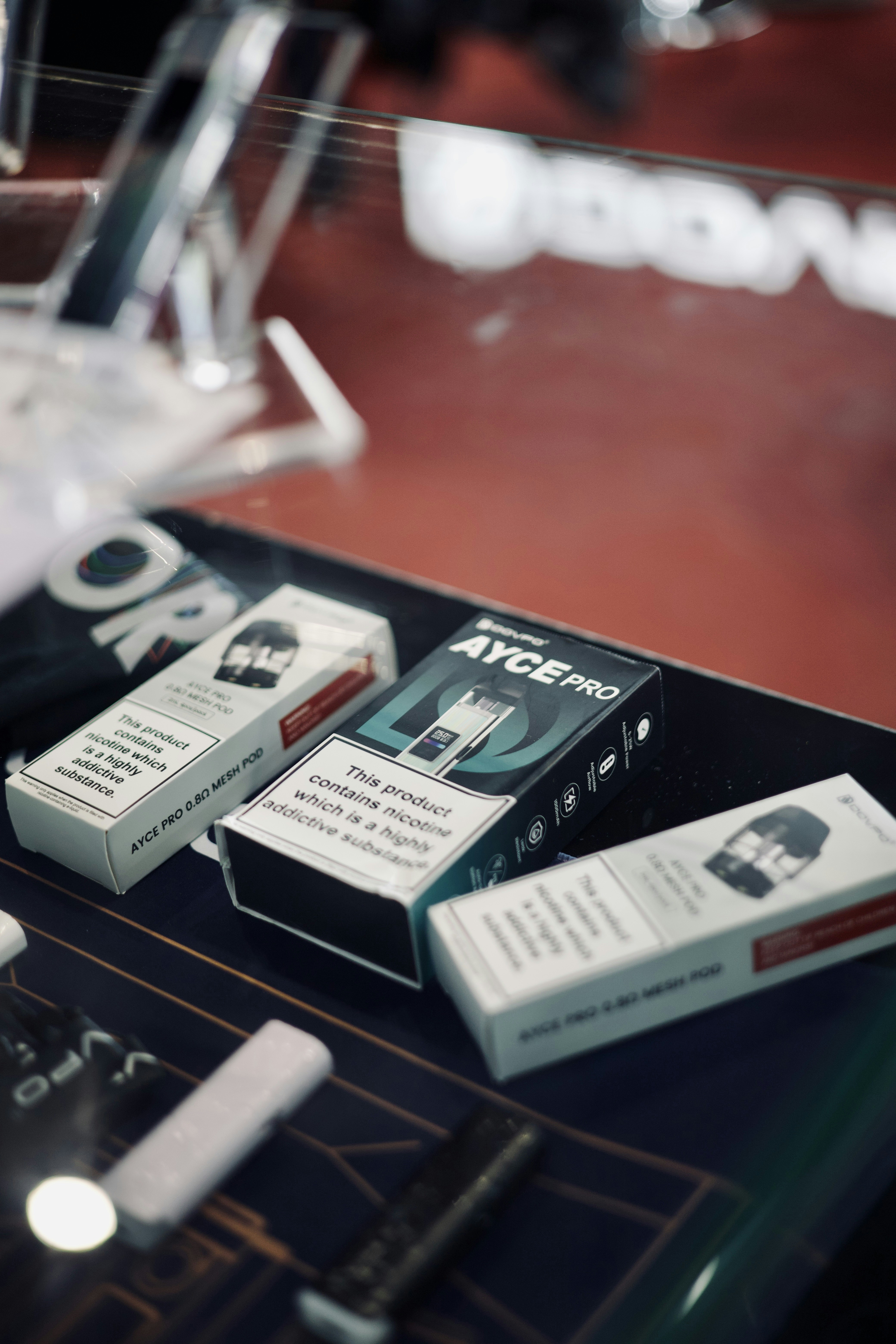
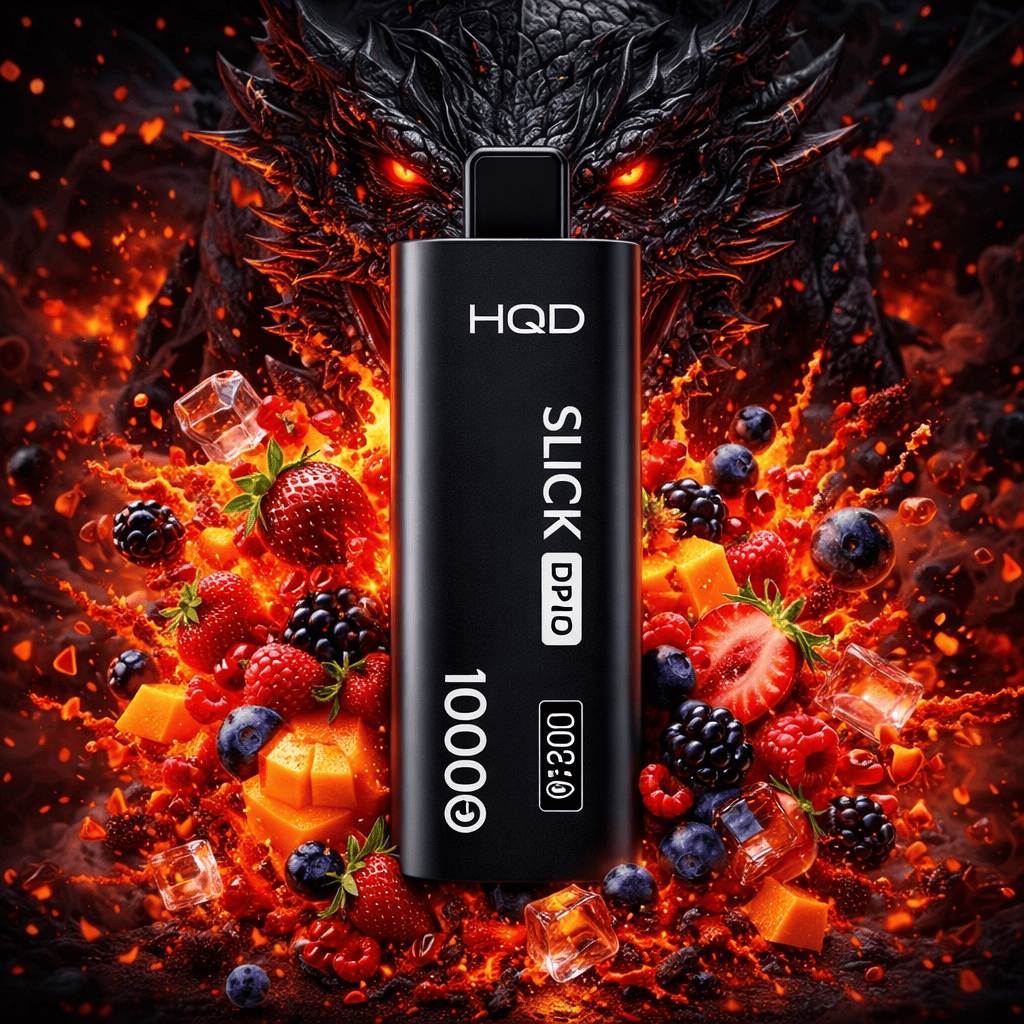
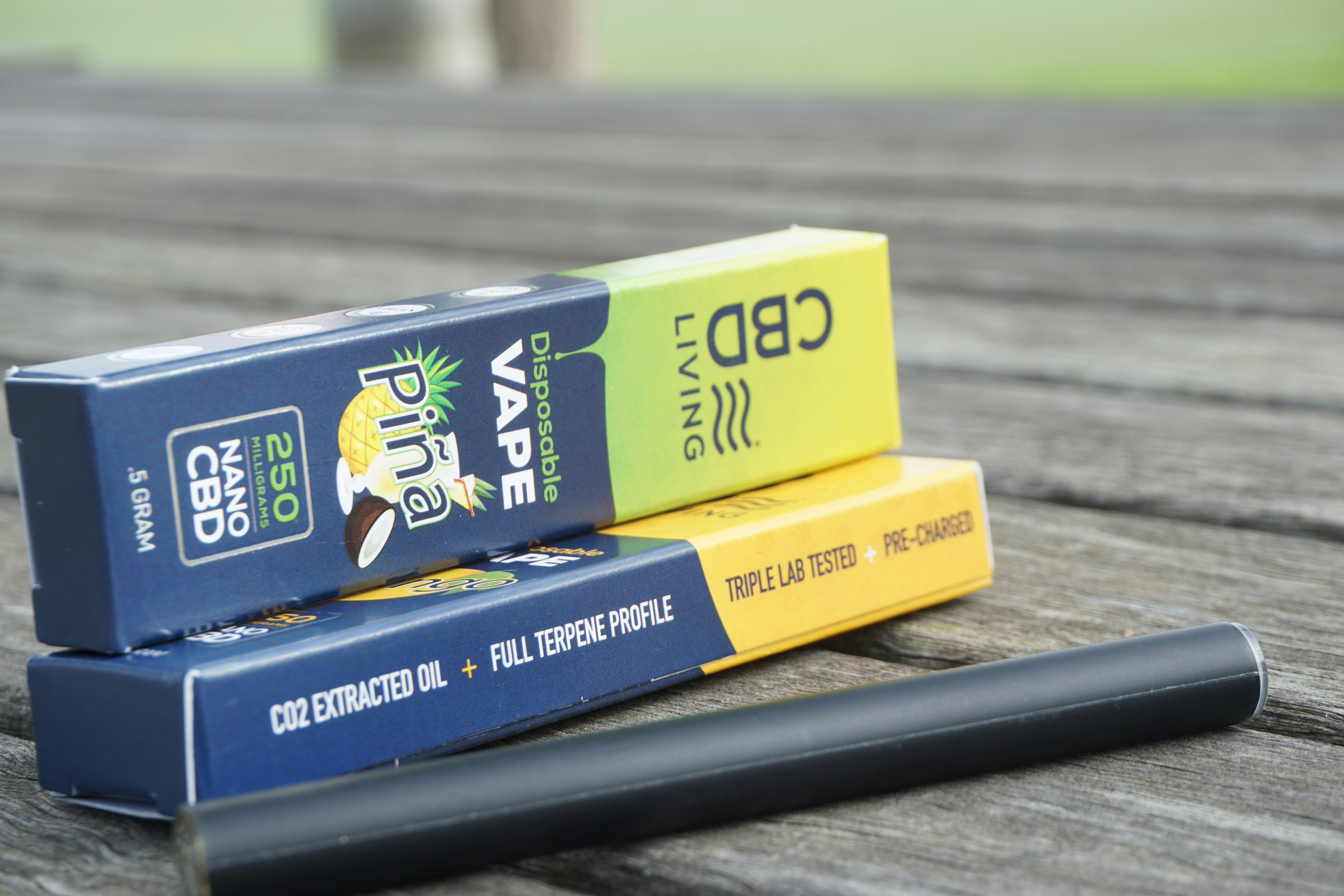
Disposable vapes have emerged as a popular choice among vaping enthusiasts and newcomers alike. These devices are designed for single-use, eliminating the need for refilling, cleaning, or maintenance. Built with a compact and portable design, disposable vapes often come pre-filled with e-liquid, making them incredibly convenient for both experienced users and those new to vaping.
At their core, disposable vapes operate through a straightforward mechanism. When the user inhales, a battery-powered heating element vaporizes the e-liquid contained within, producing an aerosol for inhalation. This process is typically hassle-free and allows for a variety of flavors without the mess associated with refilling cartridges or tanks.
The appeal of disposable vapes extends to their target audience. Many users appreciate the ease of use and the ability to sample a wide range of flavors without committing to a larger purchase. Disposable vapes are available in numerous flavor profiles, ranging from traditional tobacco and menthol to an expansive selection of fruity and dessert-inspired options. This diversity caters to various preferences, encouraging people to explore new tastes without significant investment.
Situations where disposable vapes might be preferred include travel, social events, or for individuals who are transitioning from smoking to vaping. Their lightweight and compact nature means they can be easily carried and disposed of once depleted. Furthermore, the absence of cumbersome components appeals to those who value simplicity. As such, disposable vapes are often seen as an introductory option in the vaping world, serving as a bridge for smokers seeking alternatives.
Exploring Refillable Vapes
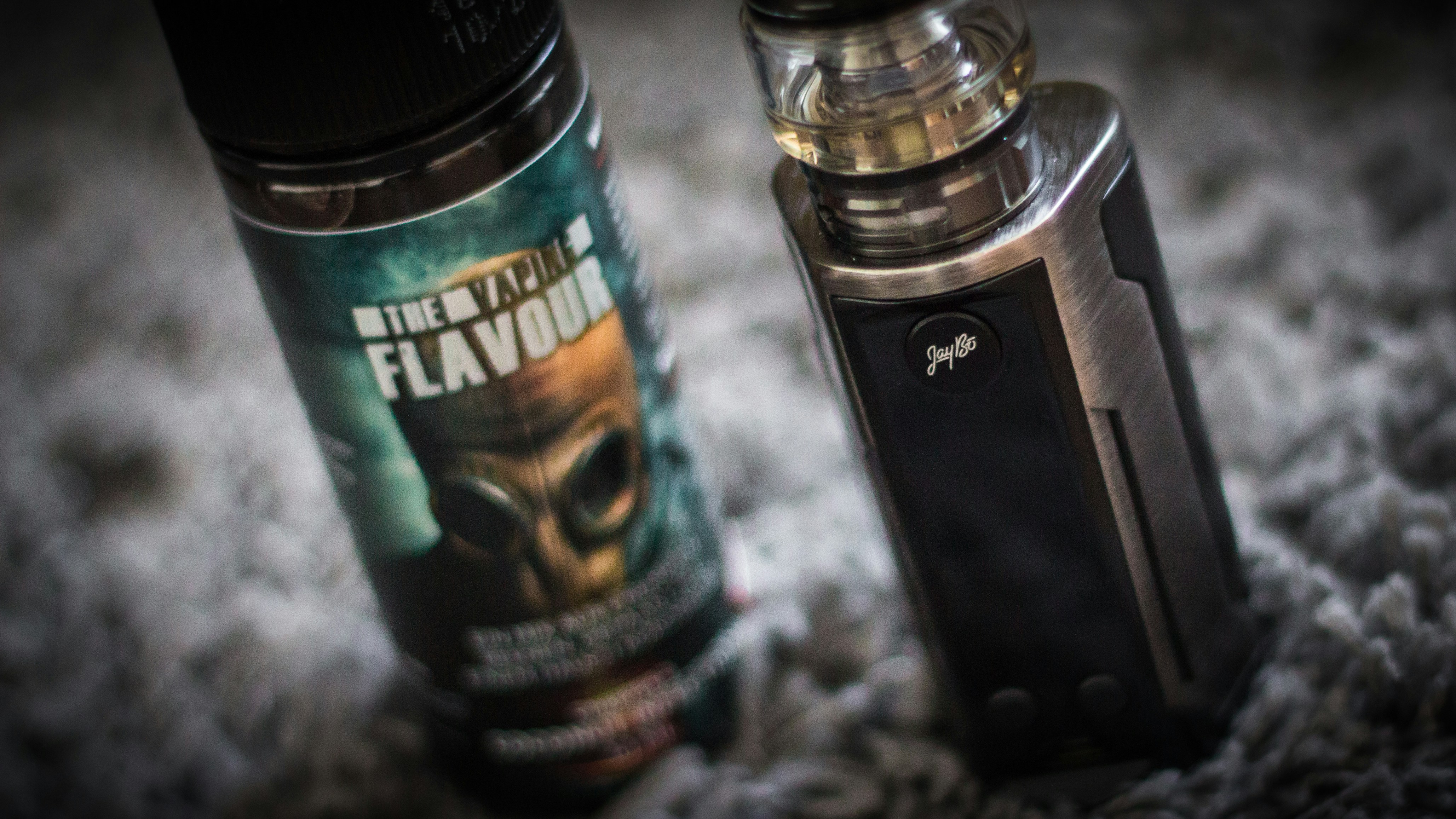
Refillable vapes have emerged as a popular alternative to disposable vapes due to their versatile construction and user-friendly design. Unlike disposables, these devices allow users to refill them with their choice of e-liquids, making them not only customizable but also eco-friendly. Typically, a refillable vape consists of three main components: the battery, the tank, and the atomizer. The battery provides the necessary power to heat the atomizer, which vaporizes the e-liquid stored in the tank.
The functionality of refillable vapes is straightforward. Users need to periodically fill the tank with their preferred e-liquid, which offers a wide array of flavors and nicotine concentrations. This process not only enhances the user experience by allowing consumers to mix and match their favorite flavors but also leads to significant cost savings over time. With fillable options often following a lower cost per milliliter ratio, users tend to find them more economical compared to regularly purchasing disposable vapes.
One of the notable advantages of refillable vapes lies in their customization options. Users can adjust settings such as power output and airflow, allowing them to fine-tune their vaping experience according to personal preferences. This degree of personalization is a distinct advantage that many enthusiasts appreciate. Furthermore, refillable vapes generally offer a more sustainable solution, contributing to reduced waste, as they do not need to be disposed of after each use.
In summary, refillable vapes combine functionality and customization, catering to both novice and experienced users. Their cost-effectiveness, combined with the ability to select and modify e-liquid flavors, positions them as a viable alternative to disposable vapes. As consumers continue to seek environmentally friendly options in their vaping habits, refillable vapes are likely to remain a prominent choice in the market.
Comparative Analysis: Pros and Cons
When considering the choice between disposable vapes and refillable vapes, it is essential to analyze the strengths and weaknesses of each option. Understanding these aspects can aid individuals in making an informed decision tailored to their preferences and lifestyle.
Cost: Disposable vapes tend to have a lower upfront cost, which may appeal to beginners or occasional vapers. However, their cumulative cost can increase quickly with frequent use, as they often need replacement every few days or weeks. In contrast, refillable vapes require a higher initial investment due to the device itself and the need for e-liquids and atomizers. Nevertheless, when used over an extended period, they may become more economical.
Convenience: One significant advantage of disposable vapes is their ease of use. These devices come pre-filled with e-liquid and do not require any maintenance or preparation, making them ideal for users seeking hassle-free vaping. Refillable vapes demand more attention and upkeep, as users must regularly refill e-liquid and maintain the tank and coils. This maintenance might be viewed as a con by some users who prioritize convenience.
Environmental Impact: From an environmental perspective, refillable vapes generally have a smaller ecological footprint. They reduce waste generation as they do not need to be disposed of after a single use. Disposable vapes often contribute to increased plastic waste, with many ending up in landfills or polluting the environment. Therefore, environmentally conscious vapers might prefer refillable alternatives.
Vaping Experience: The vaping experience can also differ significantly between the two types. Refillable vapes offer a broader range of flavors and customizability, allowing users to adjust wattage and nicotine levels. This level of personalization can enhance satisfaction for seasoned vapers. Disposable vapes, while typically convenient, often feature limited flavor options and are less adaptable, which might be a drawback for some users seeking variety.
Cost Considerations
When evaluating the cost implications of disposable vapes versus refillable vapes, several factors come into play. Understanding the initial investment, ongoing expenses, and potential savings over time is pivotal for consumers making informed decisions regarding their vaping style.
Disposable vapes typically present a lower initial investment, as they do not require the purchase of additional equipment or accessories. Each device comes pre-filled with e-liquid and is ready for use out of the box. However, as these devices are designed for limited use, the long-term costs can significantly exceed those of refillable options. Frequent users may find that purchasing multiple disposable units over time accumulates into a considerable expense.
On the other hand, refillable vapes necessitate a higher upfront investment due to the purchase of the device itself and any required accessories, such as tanks and coils. Nonetheless, this initial cost can be offset by the lower long-term expenses associated with acquiring e-liquids, which are generally more affordable than buying multiple disposable devices. Furthermore, refillable options often allow for customization in terms of e-liquid flavor and nicotine strength, enhancing the vaping experience while maintaining cost-effectiveness.
Ultimately, the choice between disposable and refillable vapes hinges on an individual’s lifestyle and vaping frequency. Casual users might find that disposable vapes are a more convenient and less costly option in the short term, whereas regular vapers may benefit from the durability and cost savings associated with refillable units. Assessing one’s personal usage patterns and preferences is crucial when determining the most financially sound choice in the realm of vaping.
Health and Safety Aspects
When examining the health and safety aspects of disposable vapes and refillable vapes, it is essential to consider the ingredients, potential health risks, and regulatory standards associated with both options. Disposable vapes are often pre-filled with e-liquid, which typically contains a mixture of propylene glycol, vegetable glycerin, flavorings, and nicotine, if included. The safety of these ingredients largely depends on the quality of the production process and the manufacturer. In some cases, lower-quality products may contain harmful additives or impurities.
In contrast, refillable vapes offer users more control over the e-liquid they choose, enabling them to select higher-grade ingredients or even nicotine-free options. However, it is crucial for users to obtain their e-liquids from reputable sources. Some refillable products may still expose users to hazardous substances if the e-liquid contains unverified or poorly regulated components.
Both types of vaping devices carry potential health risks. Disposable vapes may lead to greater exposure to harmful chemicals due to the single-use design, which can compromise safety if the device overheat or leaks. Refillable vapes, while potentially safer due to the ability to select quality e-liquids, require meticulous maintenance and can pose risks related to improper handling, such as battery hazards or toxic exposure from defective devices.
To ensure safety when choosing between disposable and refillable vapes, consumers should prioritize brands that comply with safety regulations and standards. Reading reviews, understanding ingredient sourcing, and purchasing from well-known retailers can contribute to a safer vaping experience. Furthermore, users should stay informed about potential health implications and engage with community resources that support healthier habits.
Environmental Impact of Vaping
The environmental concerns surrounding vaping primarily hinge on the sustainability and waste generated by both disposable and refillable vapes. Disposable vapes, as the name suggests, are designed for one-time use, leading to significant waste accumulation. Each unit contains non-biodegradable materials, including plastics, batteries, and chemical components, which can contribute to environmental pollution. Moreover, improper disposal of these devices can lead to harmful substances entering landfills and ultimately, the ecosystem.
In contrast, refillable vapes are generally seen as a more sustainable option. These devices can significantly reduce waste, as users can refill the tanks with e-liquid and replace the coils instead of discarding the entire unit. This not only diminishes the number of disposable products ending up in landfills but also encourages responsible consumption habits among users. Furthermore, many refillable vape systems are designed with recyclable parts, making it easier for users to dispose of components in an environmentally friendly manner.
However, the environmental advantages of refillable vapes can be offset if users do not properly dispose of e-liquids or the components. Recycling initiatives for vape products are still in the developmental stages, creating a gap in effective waste management. Therefore, both product types carry an environmental impact that necessitates careful consideration from users.
Ultimately, the choice between disposable and refillable vapes involves not only personal preference but also a conscious assessment of the ecological footprint associated with each option. Awareness and education concerning proper disposal and recycling practices can help mitigate the environmental consequences of vaping, regardless of the type chosen.
User Preferences and Market Trends
The vaping industry has experienced significant transformation in recent years, influenced largely by consumer preferences and emerging market trends. Surveys and studies indicate a marked increase in both disposable and refillable vapes, reflecting diverse user needs and lifestyles. Disposable vapes, prized for their convenience and ease of use, have seen a surge in popularity, particularly among newer vapers who may find the simplicity appealing. These devices come pre-filled and require no maintenance, offering users a hassle-free experience. This trend emphasizes a growing preference for products that provide instant gratification without the complexity associated with traditional vaping.
Conversely, refillable vapes are favored by more experienced users who value customization and the ability to choose their e-liquids. These devices allow for personal expression through various flavors and nicotine strengths, as users can refill their tanks with preferred e-liquids. An increasing number of vape enthusiasts appreciate the potential cost savings associated with refillable options, particularly over time as they reduce the frequency of purchases. Various studies have shown that while some segments of the market gravitate towards convenience, others strongly advocate for sustainability and the long-term economic benefits of refillable devices.
Additionally, the growing awareness of environmental concerns has sparked discussions about the ecological impact of disposable vapes, thus fostering a potential shift back towards refillable options. Users are now more conscious of their choices, and many are advocating for products that align with environmentally responsible practices. This growing awareness has spurred interest in brands that offer eco-friendly vaping options.
In conclusion, the vaping community reflects a diverse range of preferences, with both disposable and refillable vapes carving out their niches in the market. As consumer demands evolve, manufacturers are likely to innovate further, catering to these changing trends and preferences to create products that appeal to all users.
Conclusion: Making the Right Choice
In the ongoing debate between disposable vapes and refillable vapes, the decision ultimately boils down to individual preferences and lifestyle considerations. Disposable vapes offer convenience and ease of use; they require minimal maintenance and can be used right out of the package. This option is particularly appealing for new users or those who favor a hassle-free experience. Moreover, disposables often come in a variety of flavors and nicotine strengths, providing a range of choices for those looking to experiment without commitment.
On the other hand, refillable vapes offer a customizable experience that can cater to more discerning users. These devices allow for the selection of specific e-liquids, giving users control over their vaping experience. Additionally, the ability to replace coils and refill tanks can lead to long-term cost savings, especially for regular vapers. Refillable vapes also generate less waste compared to disposables, which may appeal to environmentally conscious individuals.
When choosing between these two options, potential users should consider their vaping habits, frequency of use, and environmental impact. For those who prioritize convenience and simplicity, disposable vapes may be the superior choice. Conversely, if control over flavor, customization, and long-term savings are vital factors, refillable vapes might be more suitable. It is crucial for users to weigh these aspects and reflect on their vaping goals. Ultimately, understanding the pros and cons of each type of vape can guide individuals to make an informed decision that aligns with their preferences and vaping lifestyle.
More Articles & Posts
-
Premium Vape Carts Buying Guide
Understanding Vape Carts Vape cartridges, commonly referred to as vape…
-
How to Choose the Best Nicotine Strength
Understanding Nicotine Basics Nicotine is a potent alkaloid found primarily…
-
Common Vape Problems and How to Fix Them
Introduction to Common Vape Problems Vaping has gained significant popularity…