Introduction to Common Vape Problems
Vaping has gained significant popularity over the past decade, emerging as a widely accepted alternative to traditional smoking. This surge in interest can be attributed to various factors, including perceptions of reduced harm, the diversity of flavors available, and the convenience that vaping provides. However, as with any technology, vaping devices are not immune to problems, which can impact the overall vaping experience.
Understanding the technology behind a vape device is key to addressing common issues. At the core, a vape device typically includes a battery, an atomizer, and a tank or cartridge that holds the e-liquid. When a user initiates a puff, the battery powers the atomizer, heating the e-liquid to create vapor. This simplistic mechanism, while effective, can lead to various technical problems such as battery failures, leaks, or burnt coils. Furthermore, vapers might also experience difficulties related to maintenance, user error, or low-quality products, all of which can contribute to frustrating vaping experiences.
Common problems faced by vapers include inadequate vapor production, unpleasant tastes, and device malfunctions. For instance, some users may notice that their device is not producing sufficient vapor, which can be indicative of an underlying issue such as a clogged coil or low battery. Similarly, a burnt taste may result from using an incorrect wattage setting or failing to prime a new coil adequately. By recognizing these challenges, vapers can take proactive steps to troubleshoot their devices and enhance their overall vaping experience.
As this blog post unfolds, we will delve deeper into the specifics of these common vape problems and explore actionable solutions to ensure a smooth vaping journey. Educating users about these issues is essential for promoting safe and enjoyable vaping practices.
Leaking Vapes: Causes and Solutions
Leaking vapes present a common issue that can frustrate users and diminish their vaping experience. There are several reasons why a vape may leak, each of which can usually be addressed with simple solutions. Understanding these causes can aid in preventing future occurrences.
One primary reason for leaking is overfilling the vape tank. When the tank is filled beyond its recommended capacity, excess e-liquid can escape through the airflow holes or other openings. To mitigate this, it is essential to follow the manufacturer’s guidelines regarding tank capacity and to refrain from exceeding that limit. Additionally, allowing the vape to stand upright can help reduce the likelihood of leaks.
Another contributing factor could be worn or damaged seals. Vapes are designed with various seals and o-rings that help contain the e-liquid within the tank. Over time, these components may wear out or become brittle, leading to leaks. Regularly inspecting your vape for wear and replacing seals as necessary can significantly decrease the risk of leakage.
Incorrect assembly can also result in leaking vapes. If components are not tightly secured, or if the tank is not properly attached to the mod, leaks may occur. It is important to ensure that all parts are assembled correctly, and that they are snug but not overtightened, as excessive force can damage threads and lead to further complications.
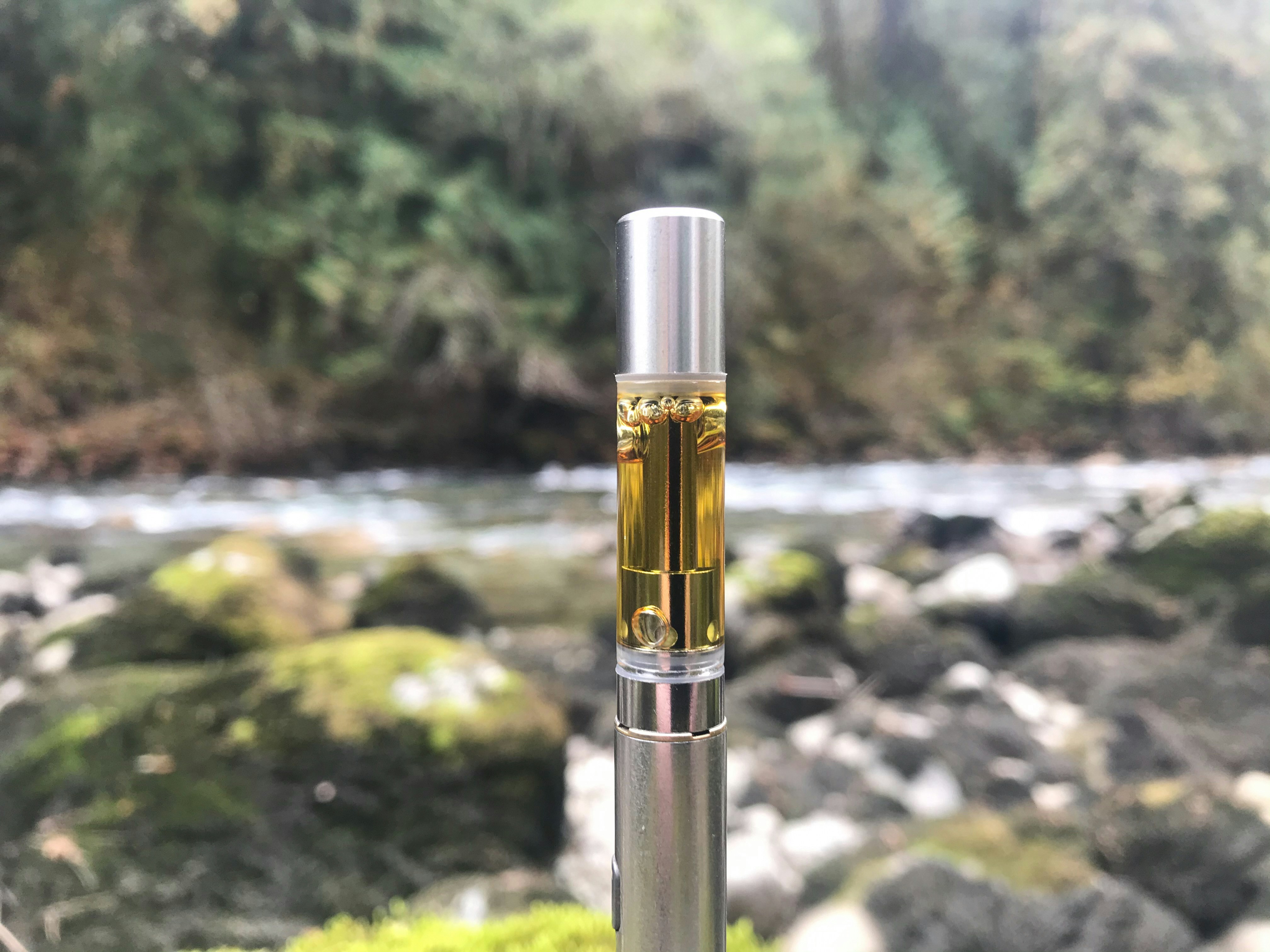
Finally, check for any signs of bubbles or air pockets in the e-liquid; these can indicate a poor seal or another issue. Addressing these potential causes with careful attention to detail can keep your vaping experience pleasurable and leak-free.
Burnt Taste: How to Identify and Fix It
A common issue that many vapers encounter is experiencing a burnt taste during their sessions. This unpleasant flavor can detract from the overall vaping experience and lead to an irritating sensation. Understanding what causes this burnt taste is crucial for vapers to effectively troubleshoot and rectify the situation.
The most frequent culprit behind a burnt taste is a phenomenon known as a dry hit. A dry hit occurs when the e-liquid does not sufficiently saturate the coil, leading to overheating. When the cotton or wicking material within the coil is not adequately soaked in e-liquid, it can burn when current is passed through the coil. This condition often results in a harsh, burnt flavor that signals the vape user that something is amiss.
Another contributing factor can be coil issues. Coils that are old or damaged can lead to inadequate vapor production and, subsequently, a burnt taste. When coils become carbonized due to repeated overheating, they can produce off-flavors. Therefore, regular inspection and timely replacement of coils are essential to maintain the intended vaping flavor.
To identify whether a burnt taste is due to a dry hit or coil issue, vapers should first check the e-liquid level in their tank. If the e-liquid appears low or is running low, this may indicate that the wicking material is not receiving enough liquid. Additionally, examining the coil for any visible signs of burning or damage can provide insights into whether a replacement is necessary.
To prevent the occurrence of a burnt taste in the future, consider ensuring that the tank is adequately filled at all times. Additionally, when switching e-liquids, allow sufficient time for the coil to properly saturate. Regular maintenance, including inspecting and replacing coils, will not only enhance flavor but will ultimately contribute to a more enjoyable vaping experience.
Poor Vapor Production: Troubleshooting Tips
Poor vapor production can be a frustrating issue for vapers, significantly impacting the overall experience. Several factors may contribute to inadequate vapor output, including battery problems, coil issues, and restrictions in airflow. Understanding and addressing these causes is essential for restoring satisfactory vapor production.
First, consider the battery. A failing battery or one that is not adequately charged can hinder the power necessary for optimal vapor production. Ensure your battery is fully charged and check for any signs of damage. If the battery is showing signs of wear, it may be time to replace it. Additionally, if you are using an adjustable wattage device, ensure that you are operating within the proper wattage range for your specific coil type, as under-wattage can result in insufficient vapor.
Second, inspect the coil. Coils, or heating elements, have a limited lifespan and can burn out after continuous use. If the coil is old or burned out, or if it is improperly primed, it might not produce adequate vapor. Remove the coil and assess its condition; if it appears discolored or burnt, replacing it with a new coil is advisable. New coils often require priming—allowing e-liquid to soak into the wick thoroughly before use—to prevent dry hits and ensure optimal performance.
Lastly, examine airflow. Blockages in the airflow can significantly reduce vapor production. Verify that all openings, including the airflow holes, are unobstructed. Clean the device regularly to avoid build-up of residues that might restrict airflow. Adjusting the airflow settings can also enhance vapor production, providing the optimal balance between draw resistance and vapor density.
By systematically checking these potential issues—battery life, coil condition, and airflow restrictions—you can effectively troubleshoot and restore proper vapor production in your vaping device.
Battery Problems: Identifying Issues and Solutions
The battery is a critical component of any vape device, and understanding its common issues can significantly enhance the vaping experience. One prevalent problem that users encounter is charging difficulties. If a vape battery fails to charge, the first step is to check the charging cable and port for any visible damage or debris. Using a different charger can also help identify whether the issue lies within the battery or the charging equipment. Ensuring that the charger is compatible with the device is essential, as some chargers may not supply the necessary voltage or current.
Another common issue pertains to battery life. Users may notice a reduction in performance or shorter usage time as the battery ages. Lithium-ion batteries typically have a lifespan of 300 to 500 charge cycles, after which their capacity may diminish. To prolong battery life, users should avoid overcharging and exposing the battery to extreme temperatures. Regular maintenance, such as cleaning the contacts and ensuring proper storage when not in use, can also enhance battery longevity.
Furthermore, safety should never be overlooked when using vape batteries. Users should watch for signs of overheating, swelling, or leaking, which could indicate a malfunction or potential danger. If any of these issues arise, it is imperative to discontinue use immediately and replace the battery. Using high-quality batteries that come with integrated safety features can mitigate risks, ensuring a safer vaping experience. Moreover, familiarizing oneself with the specific battery specifications and adhering to the manufacturer’s guidelines is crucial for safe operation.
By understanding these battery-related problems, users can troubleshoot effectively, maintain their vape devices, and enjoy a safer and more satisfying vaping experience.
Foul or Unpleasant Odor: Causes and Remedies
Vaping has gained significant popularity, but it is not without its challenges, one of which is encountering foul or unpleasant odors. This issue can stem from various sources, most notably burnt coils or old e-liquid. Understanding these causes is essential for any vaping enthusiast seeking to enhance their overall experience.
One of the primary reasons for unpleasant smells in vaping is the condition of the coils. Coils can become burnt, particularly if they are used for extended periods without being replaced. When a coil burns, it can produce a distinct and often unpleasant acrid aroma. To remedy this situation, users should regularly check their coils and replace them as needed. A good rule of thumb is to change coils every few weeks, depending on usage, to maintain a clean and enjoyable vape.
Another significant factor contributing to foul odors could be the e-liquid itself. Over time, e-liquids can degrade, especially when exposed to heat and light. A bottle of old e-liquid that has been sitting for too long can develop off-flavors that lead to undesirable smells. It is advisable to ensure that e-liquids are stored in a cool, dark place to prolong their shelf-life. Additionally, users should periodically check the expiration dates and dispose of any that are past their prime.
To mitigate any unpleasant odors, consider cleaning the vape tank regularly. Residual e-liquid buildup can lead to unwanted smells, so a comprehensive cleaning of the tank, including the mouthpiece, can significantly improve aroma. Furthermore, switching to higher-quality e-liquids that contain fewer artificial ingredients can result in a purer and more pleasant vaping experience.
Awareness of these factors can help vapers ensure that their devices produce delightful aromas rather than foul ones. By addressing coil maintenance, e-liquid freshness, and tank cleanliness, users can enjoy a more satisfying vape that is free of unpleasant odors.
Understanding Short Circuits in Vaping
A short circuit occurs when there is an unintended path for electrical current to flow, bypassing the normal circuit. In vaping devices, this typically manifests when the positive and negative terminals of a battery or coil come into contact inappropriately. Understanding this phenomenon is crucial for vapers, as it can lead to device malfunctions, reduced performance, and even safety hazards. Identifying a short circuit early helps protect both the device and the user.
Identifying Signs of a Short Circuit
There are several signs that may indicate a short circuit in your vape device. Users may notice that the device is not firing or that the battery temperature is unusually high. Additionally, an error message may appear on the screen of regulated devices, alerting the user to a potential malfunction. Unusual noises, such as popping or crackling, can also signal that a short circuit is taking place. It is vital to monitor for these signs regularly in order to prevent further complications.
Preventing Short Circuits Through Proper Maintenance
Prevention is always better than a cure, especially when it comes to potentially hazardous short circuits. First and foremost, users should ensure that their vaping devices are assembled correctly, with proper contact between the battery and coil. Regular cleaning of the battery contact points and ensuring that no debris accumulates can significantly reduce the risk of short circuits. Additionally, employing the use of quality batteries and ensuring that our device is compatible with these power sources is essential. Users should also be cautious when replacing coils, ensuring that they are the correct resistance for their device. Proper handling of the device, such as not over-tightening connections, further minimizes short circuit risks. By following these guidelines, vapers can maintain their devices safely and effectively.
Gurgling Noises: Why They Happen and Fixes
Gurgling noises from vape devices can be an annoying issue for users, often indicating that something is amiss within the device. Understanding the potential causes of these sounds is critical in addressing them promptly and effectively. One common source of gurgling is flooding in the tank, which occurs when excess e-liquid collects in the vaporizing chamber. This situation may be due to overfilling the tank or using a coil that is not suited for the chosen liquid viscosity.
To resolve flooding, begin by inspecting the tank. Ensure that it is not filled beyond the recommended maximum fill line. If overfilled, remove some liquid to restore balance. Additionally, check if the coil is functioning properly and is compatible with the e-liquid being used. If the coil is old or damaged, replacing it may solve the issue altogether.
Improper assembly can also lead to gurgling noises. If the tank is not sealed correctly or the components are loosely fitted, air can enter, causing disruption in vapor flow. Take the time to disassemble the vape device, carefully clean each part, and ensure they are reassembled securely. Pay special attention to O-rings and seals, as these create the crucial barrier needed for optimal performance.
Aside from tank issues, the vaping technique can influence the amount of gurgling too. Using excessive force while inhaling or employing improper drawing techniques may create a vacuum effect resulting in gurgle sounds. Adjusting the inhale speed and ensuring a gentle, steady draw can help mitigate this.
In summary, gurgling noises in vaping devices signify underlying issues that can often be rectified through simple troubleshooting steps, such as ensuring proper fill levels, assembly, and inhalation techniques. By addressing these factors, users can enhance their vaping experience and minimize disruptive sounds.
Conclusion: Maintaining Your Vape Device
In conclusion, it is essential for vape users to recognize the common problems that can occur with their devices and the importance of implementing regular maintenance practices to mitigate these issues. By taking the time to clean and care for your vape equipment, you not only extend the life of your device but also enhance your overall vaping experience.
Throughout this blog post, we discussed various common vape problems such as leaking, battery issues, and poor vapor production. Each issue requires specific attention and care to resolve, from ensuring that your tank is appropriately filled to regularly replacing or recharging your batteries. These solutions are crucial in managing your device effectively and ensuring that you can enjoy a consistent and satisfying vape.
Moreover, preventive maintenance can significantly reduce the occurrence of these issues. Regular cleaning of components, such as the tank and coils, along with appropriate storage practices, can prevent residue buildup and potential malfunction. Additionally, familiarizing oneself with each component of your vape device, understanding its function, and being proactive with maintenance routines can make a noticeable difference in performance.
By employing the strategies discussed in this blog post, users can significantly reduce the likelihood of encountering vape-related issues. Emphasizing routine care and proper handling can not only enhance your vaping experience but also contribute to a better understanding of how your device functions. Therefore, as a dedicated vape user, integrating these maintenance practices into your routine is paramount to ensuring a seamless vaping experience.
More Articles & Posts
-
Premium Vape Carts Buying Guide
Understanding Vape Carts Vape cartridges, commonly referred to as vape…
-
How to Choose the Best Nicotine Strength
Understanding Nicotine Basics Nicotine is a potent alkaloid found primarily…
-
Common Vape Problems and How to Fix Them
Introduction to Common Vape Problems Vaping has gained significant popularity…