
Introduction to Vaping
Vaping refers to the process of inhaling vapor produced by an electronic cigarette (e-cigarette) or similar device. Unlike traditional smoking, which involves the combustion of tobacco, vaping heats a liquid solution, often referred to as e-liquid or vape juice, typically containing nicotine, flavorings, and other chemicals. This method significantly reduces the production of harmful tar and harmful gases associated with conventional cigarette smoking.
The origins of vaping can be traced back to the early 2000s, when the first commercially successful e-cigarette was developed. This innovation aimed to provide a less harmful alternative for smokers seeking to reduce the health risks associated with tobacco use. Over time, vaping has evolved into a global phenomenon, with a variety of devices and flavors catering to a wide audience.
In Australia, vaping has seen a significant rise in popularity, particularly among young adults and individuals looking to quit smoking. Many individuals are attracted to vaping due to its perception as being a safer alternative to smoking. Additionally, the diverse range of flavors available has appealed to many users, making the act of vaping an enjoyable and customizable experience. Furthermore, for those attempting to quit smoking, vaping serves as a potential bridge, allowing them to manage nicotine cravings while avoiding combustible tobacco products.
As vaping continues to gain traction in Australia, it is essential to understand the implications of its use, including the potential benefits and risks associated with its adoption. From smoking cessation to the social aspects of vaping culture, various factors contribute to the increasing prevalence of this practice, reflecting a shifting landscape in tobacco and nicotine consumption.
Understanding E-Liquids
E-liquids, or vape juices, are essential components of the vaping experience, serving as the medium that is vaporized and inhaled by users. In Australia, the variety of e-liquids available caters to a wide range of preferences regarding flavor profiles and nicotine strengths. Typically, e-liquids are composed of a base liquid and flavoring agents, with the base often being a combination of propylene glycol (PG) and vegetable glycerin (VG).
Propylene Glycol (PG) is a synthetic, colorless liquid that is widely recognized for its excellent ability to produce throat hit, comparable to that of smoking traditional cigarettes. PG is known for being thinner than VG, which facilitates the absorption of flavorings. As a result, e-liquids containing a higher percentage of PG tend to have stronger flavor profiles and provide a more intense vaping experience. Users who prefer a stronger throat hit might gravitate towards PG-dominant e-liquids.
Vegetable Glycerin (VG), on the other hand, is a thicker, more viscous substance that contributes to the production of dense vapor clouds. This component is often derived from vegetable oils and is favored by many vapers for its sweetness and smoothness. E-liquids with a higher VG content usually result in larger vapor production and a much smoother inhale, making them particularly popular among cloud-chasers.
In addition to PG and VG, the nicotine strength in e-liquids can vary significantly, ranging from nicotine-free options to higher concentrations suitable for smokers transitioning to vaping. Vapers often select nicotine levels based on their personal preferences and goals associated with quitting smoking.
Moreover, flavor options are nearly limitless, encompassing a wide array of tastes from fruity to dessert-like flavors. Understanding these components—PG, VG, and nicotine levels—enables vapers to make informed choices, enhancing their overall vaping experience. Choosing the right e-liquid is essential for personalizing the vaping journey and aligns closely with individual preferences in flavor and vapor production.
Types of Vaping Devices
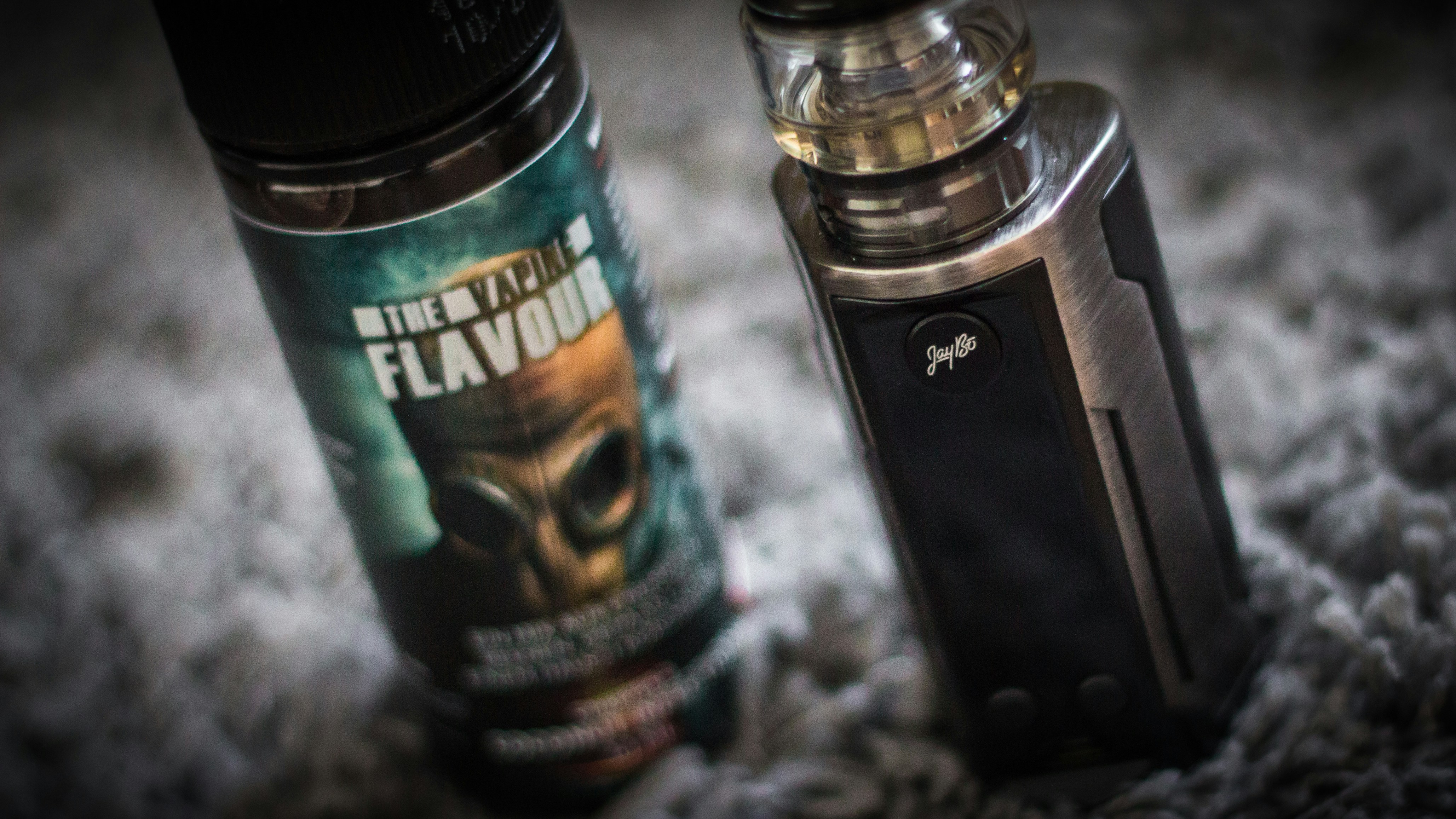
When exploring the world of vaping in Australia, one encounters a variety of vaping devices, each designed to cater to different preferences and skill levels. The primary categories of vaping devices include e-cigarettes, mods, and pod systems, among others.
E-cigarettes are perhaps the most recognized type of vaping device. These compact, user-friendly devices are typically designed to resemble traditional cigarettes, making them a popular choice for beginners. E-cigarettes usually operate on a straightforward mechanism, often requiring minimal maintenance. Their advantage lies in their convenience and ease of use, allowing new vapers to initiate their journey without complex setups. However, the limited battery life and restricted customization options may deter some users.
Vaping mods represent a more advanced category of devices. These devices come with enhanced features such as adjustable wattage, temperature control, and compatibility with a wide range of atomizers. Mods can deliver a more potent vaping experience, making them suitable for seasoned users seeking customization and performance. Nevertheless, the complexity of vaping mods might be overwhelming for beginners, requiring a learning curve to master their functionality.
Pod systems have gained popularity for their compact size and user-friendly design. These devices utilize prefilled or refillable pods and are often draw-activated, meaning they activate when the user inhales. The primary advantage of pod systems is their portability and simplicity, making them ideal for on-the-go vaping. However, some may find that the limited choice of flavors and nicotine strengths could leave them wanting more.
Choosing the right vaping device ultimately depends on individual preferences and experience levels. Beginners might prefer e-cigarettes or pod systems for their simplicity, while more experienced vapers may gravitate towards mods for enhanced control and customization options. Assessing one’s vaping style will significantly influence the selection of an appropriate device.
Legal Considerations and Regulations
The legal landscape surrounding vaping in Australia is complex and varies significantly from state to state. As a beginner, it is essential to understand the regulations governing vaping to ensure compliance and promote responsible usage. One of the primary considerations is age restriction. In most Australian states, the legal age to purchase vaping products is 18 years, similar to the age for tobacco consumption. However, there are exceptions in particular regions, and it’s crucial to check local laws.
Additionally, regulations exist concerning the sale and marketing of e-liquids. The Therapeutic Goods Administration (TGA) regulates vaping products in Australia, especially those containing nicotine. In states like Queensland and New South Wales, selling e-liquids with nicotine without a prescription is illegal. In contrast, states like Victoria have more lenient regulations regarding nicotine-free options. Understanding these variations is key for individuals looking to purchase vaping materials legally.
Public usage of vaping products is also subject to regulation. In many areas, using e-cigarettes is prohibited in the same spaces where smoking traditional tobacco products is banned. This includes public transport, enclosed public areas, and designated outdoor zones. As regulations can evolve, being aware of local laws can help vapers avoid potential penalties.
Moreover, it is noteworthy that with rapidly changing perceptions and legal frameworks, some states are reconsidering their positions on vaping. Advocates argue for more lenient regulations, emphasizing vaping as a less harmful alternative to smoking. As such, continuous monitoring of the legal situation is advisable for anyone involved in the vaping community.
Health Considerations of Vaping
Vaping has emerged as a popular alternative to traditional smoking, especially among individuals seeking to quit smoking tobacco. While vaping is often perceived as a less harmful option, it is essential to understand its health implications compared to conventional cigarette smoking. One of the primary advantages of vaping is the absence of many harmful tar and chemicals produced when tobacco is burned. This yes, can reflect a notable reduction in certain health risks, particularly respiratory ailments associated with smoking.
Public health authorities, however, emphasize the importance of viewing vaping through a nuanced lens. While it may be a safer alternative for current smokers, the long-term effects of vaping are still being studied. Current research indicates that while e-cigarettes generally contain fewer toxic substances than traditional cigarettes, they still expose users to nicotine and other potentially harmful chemicals. Some studies have raised concerns about the inhalation of flavoring agents, which may contribute to respiratory issues.
Furthermore, the vaping epidemic among young people raises additional public health concerns. Many middle and high school students report using e-cigarettes, drawn in by the appealing flavors and marketing strategies. This trend could lead to nicotine dependency at an early age, potentially perpetuating a cycle of addiction that could ultimately lead back to smoking traditional cigarettes.
From a risk-benefit perspective, vaping may provide some smokers with a transition pathway to cessation. However, it is imperative to approach it cautiously, given the unknowns regarding long-term health effects. Increased awareness and education on the potential risks associated with vaping could support informed decisions among users. While further research remains necessary, the current evidence highlights the importance of understanding vaping not only as a less harmful alternative but as a practice that still carries health risks, especially among youth.
Vaping Etiquette and Social Settings
As vaping continues to gain popularity in Australia, it is paramount for vapers to understand the unwritten rules of vaping etiquette, particularly in social settings. Proper conduct not only enhances the vaping experience but also fosters a respectful atmosphere for both vapers and non-vapers. First and foremost, one must always be aware of their surroundings and the preferences of those nearby. It is important to check for any signs or indications that prohibit vaping in certain areas, such as public places or private establishments.
When in a group, it is considered polite to ask if anyone is uncomfortable with vaping before taking out a device. This simple gesture shows respect for the comfort of others and helps to maintain a harmonious social environment. If someone expresses discomfort, it is essential to adhere to their wishes and refrain from vaping in their presence. Additionally, it is advisable to avoid blowing large clouds of vapor in confined or crowded spaces, as this can be invasive and irritating to others, especially non-vapers.
Engaging in vaping culture can be enjoyable, but it is crucial to approach it with mindfulness. For instance, participating in discussions about different vaping products or techniques should be done in a way that does not alienate or overwhelm those who may not share the same interest. Sharing experiences and insights can be beneficial for both beginners and seasoned vapers alike, but should always be done with consideration for differing levels of interest. Lastly, always remember to maintain your device properly and carry your supplies discreetly to avoid clutter or distraction in social settings.
Tips for Beginners
For individuals embarking on their vaping journey in Australia, starting with the correct approach is key to ensuring a positive experience. One essential tip is to begin with lower nicotine levels in your e-liquid. This strategy allows users to gradually acclimate to the sensation of vaping without the risk of overwhelming nicotine intake. Many beginners may not realize that e-liquids come in a variety of nicotine concentrations, ranging from 0mg to higher levels. It is advisable to experiment with different strengths to find the right balance that suits your preferences and needs.
Maintaining your vaping device is equally important for both performance and longevity. Regular cleaning of the tank and coil can prevent buildup and preserve the flavor of your e-liquids. Additionally, replacing coils as recommended by the manufacturer can help ensure the device operates efficiently. When experiencing a burnt taste or reduced vapor production, it is often time to change the coil. Furthermore, keeping the device charged and avoiding prolonged exposure to extreme temperatures can extend its lifespan and ensure consistent usage.
For those seeking to deepen their understanding of vaping and to connect with others in the community, numerous online resources are available. Websites, forums, and social media groups can serve as invaluable platforms for sharing experiences, tips, and recommendations. Engaging with these resources allows beginners to benefit from the collective knowledge of experienced vapers, making their learning process more enjoyable and informative. Participating in discussions about various e-liquids, devices, and techniques can also enhance your overall vaping experience.
Common Misconceptions about Vaping
As vaping continues to gain popularity in Australia, numerous misconceptions have emerged about this alternative to smoking traditional tobacco products. Many of these myths stem from a misunderstanding of what vaping truly entails, creating confusion for both experienced users and newcomers alike.
One prevalent misconception is that vaping is just as harmful as smoking cigarettes. While both activities involve inhaling substances into the lungs, the key distinction lies in the absence of combustion in vaping. E-cigarettes heat a liquid, typically containing nicotine, flavorings, and other chemicals, producing an aerosol that users inhale. Numerous studies suggest that vaping is significantly less harmful than smoking because it does not produce tar or many of the toxic byproducts associated with burning tobacco.
Another myth suggests that vaping is solely a gateway to smoking, particularly for young people. While it is undoubtedly true that some adolescents may start with vaping before transitioning to traditional cigarettes, research indicates that the majority of adult vapers are former smokers seeking to reduce their health risks. Programs promoting responsible vaping practices can mitigate the chances of uptake among youth and offer a pathway to cessation for existing smokers.
Additionally, many individuals erroneously believe that all vaping products are of the same quality and safety. In reality, the vaping market comprises a wide array of devices and e-liquids, with regulations varying significantly by source. Thus, consumers should prioritize purchasing products from reputable manufacturers and be aware of local regulations governing production and sale.
By addressing these misconceptions and providing clear information on vaping’s operation and implications, individuals can make informed choices about their health and wellness, ultimately contributing to a more nuanced understanding of vaping in society.
Conclusion: Making an Informed Choice
Throughout this guide on vaping in Australia, we have explored numerous facets of vaping, from its legal implications to the variety of products available. Understanding the legal landscape is critical, as regulations differ across states. It is essential for individuals to stay informed about local laws regarding e-cigarettes and vaping to avoid potential penalties.
In addition to the legal aspect, the health implications of vaping deserve careful consideration. While many perceive vaping as a safer alternative to traditional smoking, ongoing research continues to shed light on potential health effects. It is crucial for users to weigh the risks and consider their own health status while making the decision to vape.
The choice of devices, e-liquids, and nicotine strengths presents another layer of complexity for those new to vaping. Beginners should approach these selections with caution, taking the time to research various products available on the market. This not only enhances the vaping experience but also promotes safer and more responsible use.
Furthermore, it is important to recognize that vaping should not be viewed as a decision to be taken lightly. Continuous education on new findings, product innovations, and best practices can empower users to make choices that align with their personal health goals and lifestyle. Community resources, educational materials, and support networks can facilitate this ongoing learning journey.
As we conclude this guide, we encourage readers to remain proactive in seeking information and remaining aware of their choices regarding vaping. Being informed also entails a responsibility to address the impact of vaping on oneself and society as a whole. By making educated decisions, individuals can contribute to a more responsible vaping culture in Australia.
More Articles & Posts
-
Premium Vape Carts Buying Guide
Understanding Vape Carts Vape cartridges, commonly referred to as vape…
-
How to Choose the Best Nicotine Strength
Understanding Nicotine Basics Nicotine is a potent alkaloid found primarily…
-
Common Vape Problems and How to Fix Them
Introduction to Common Vape Problems Vaping has gained significant popularity…